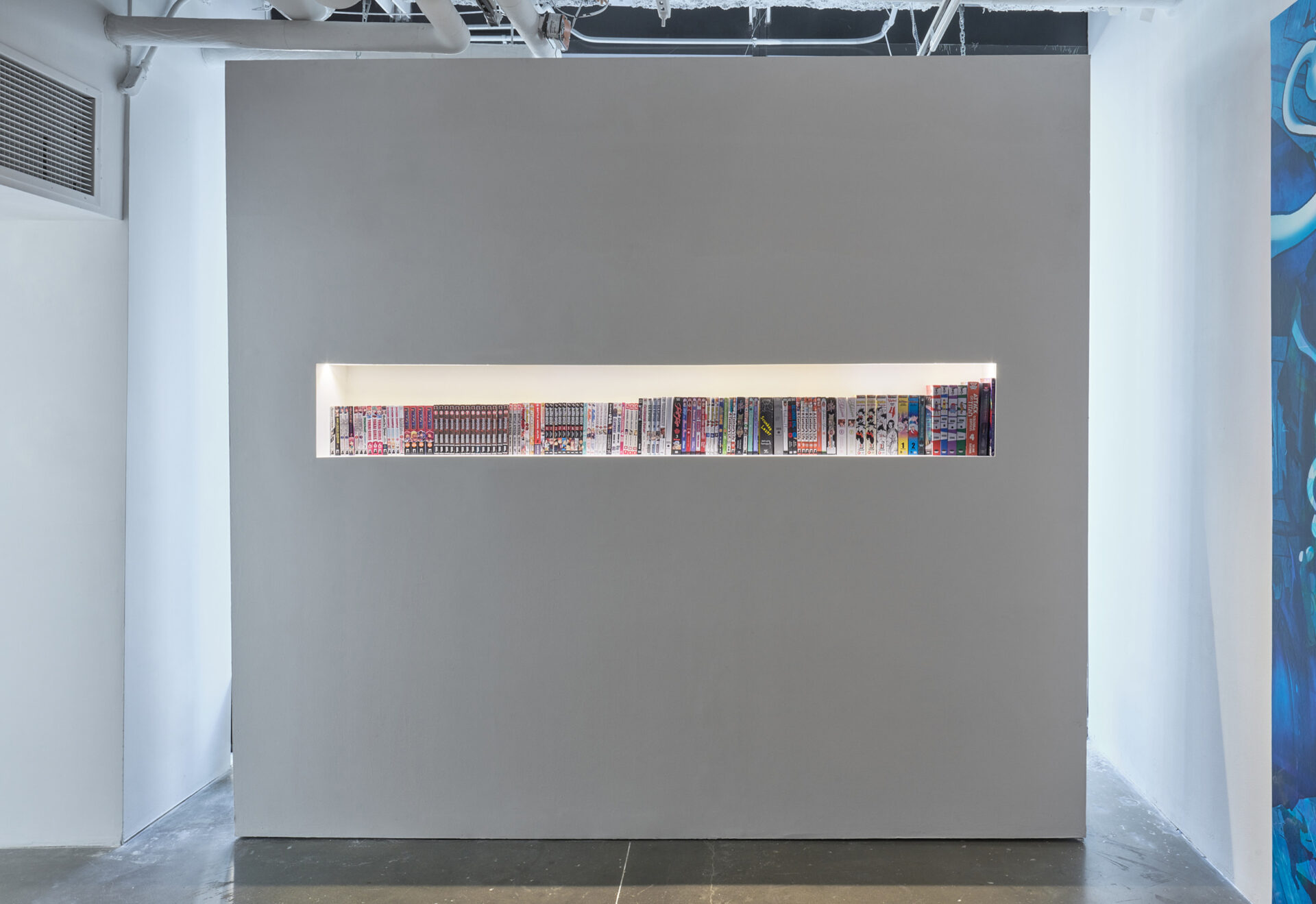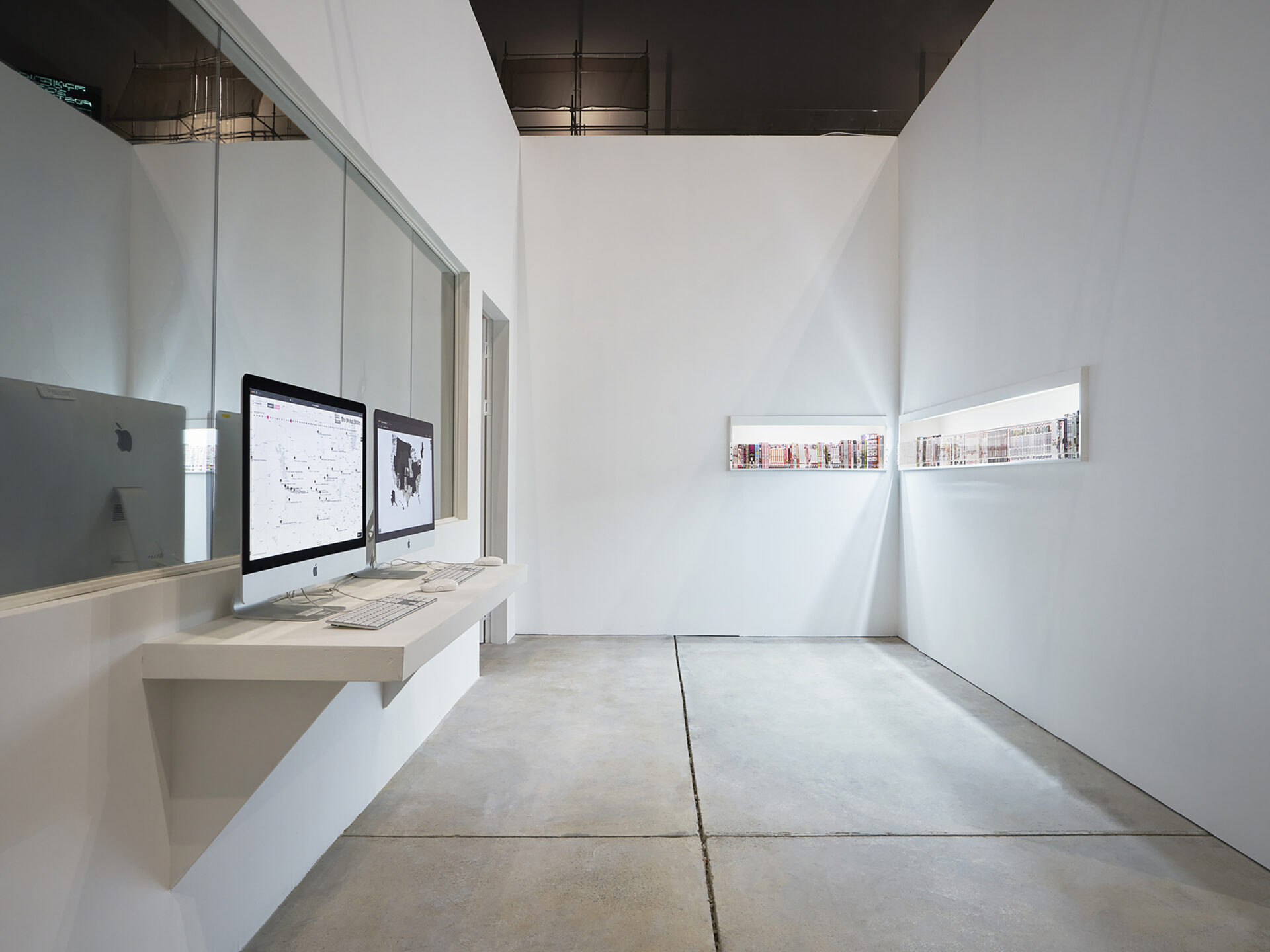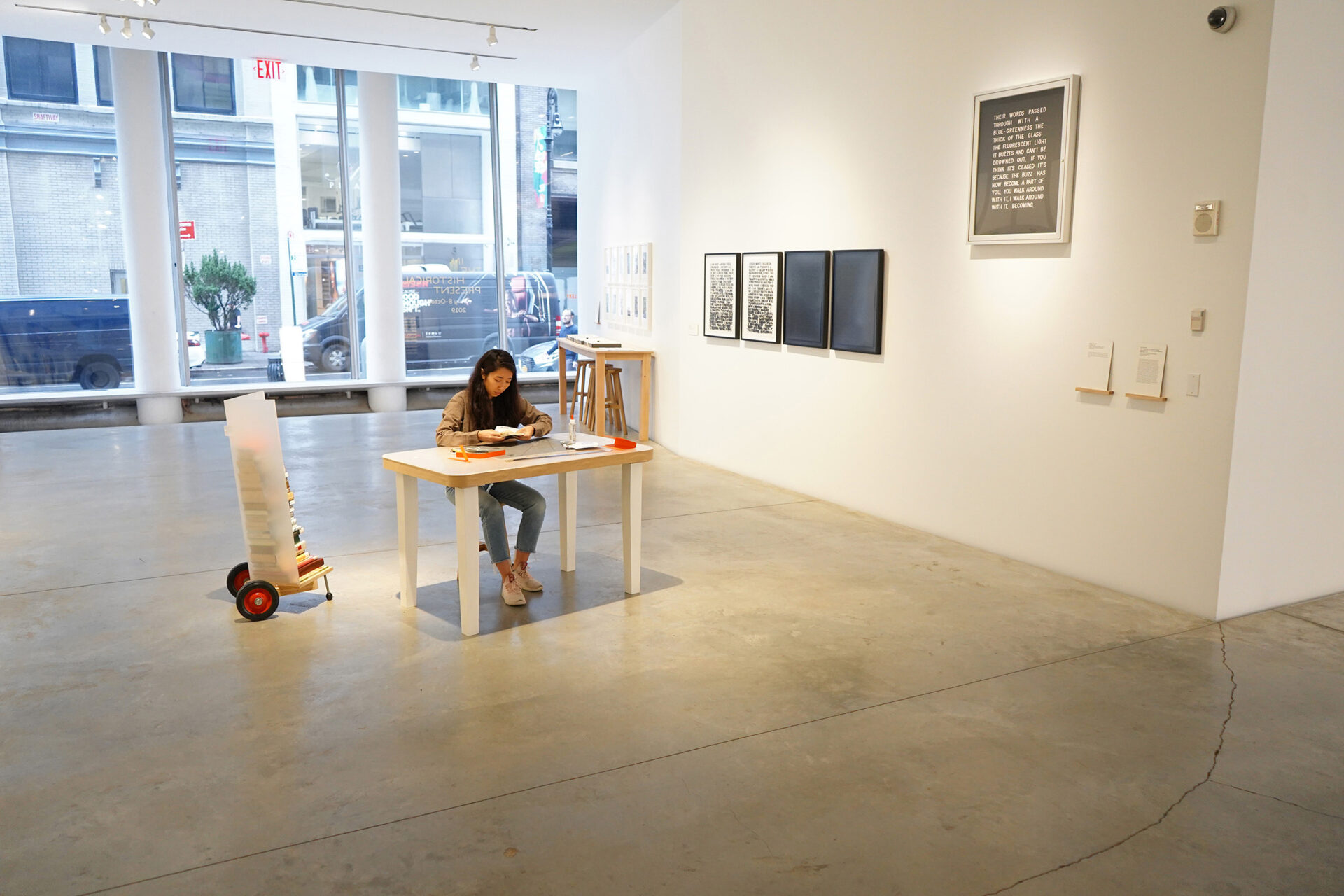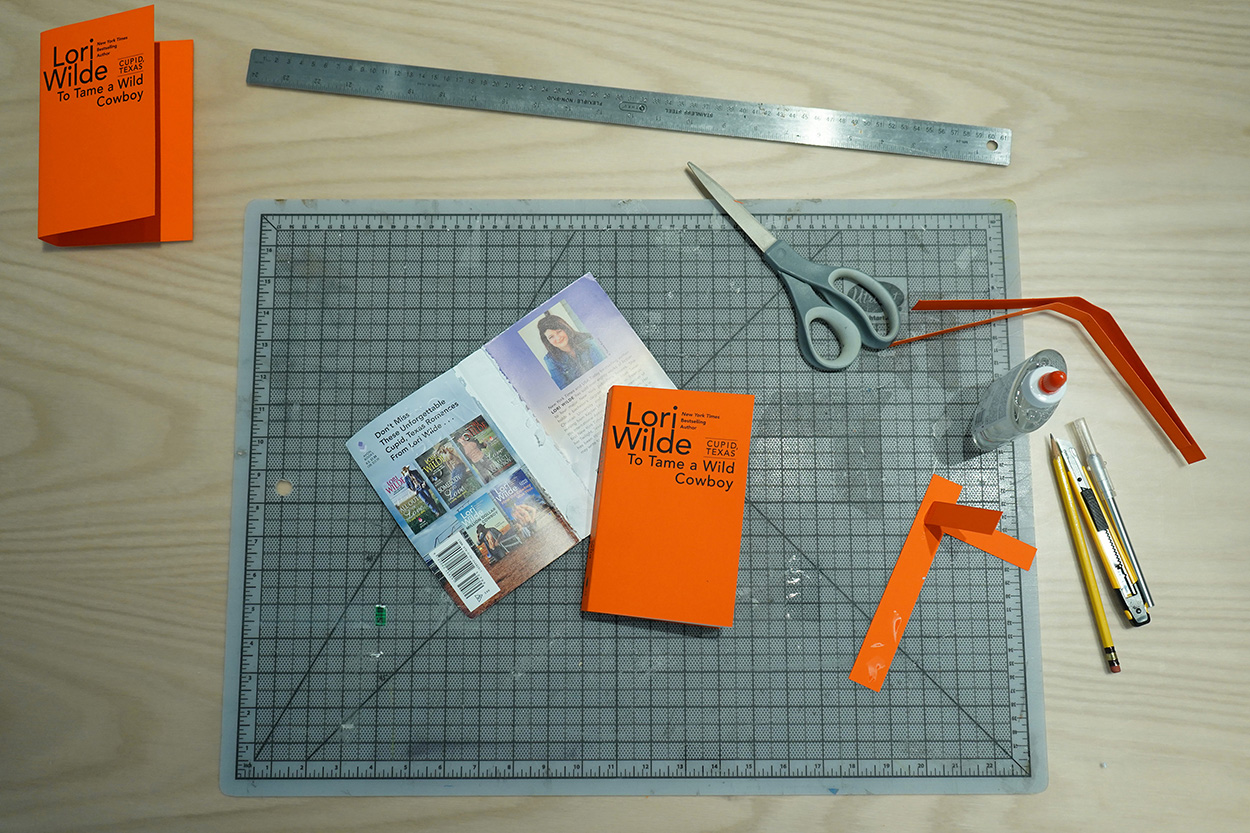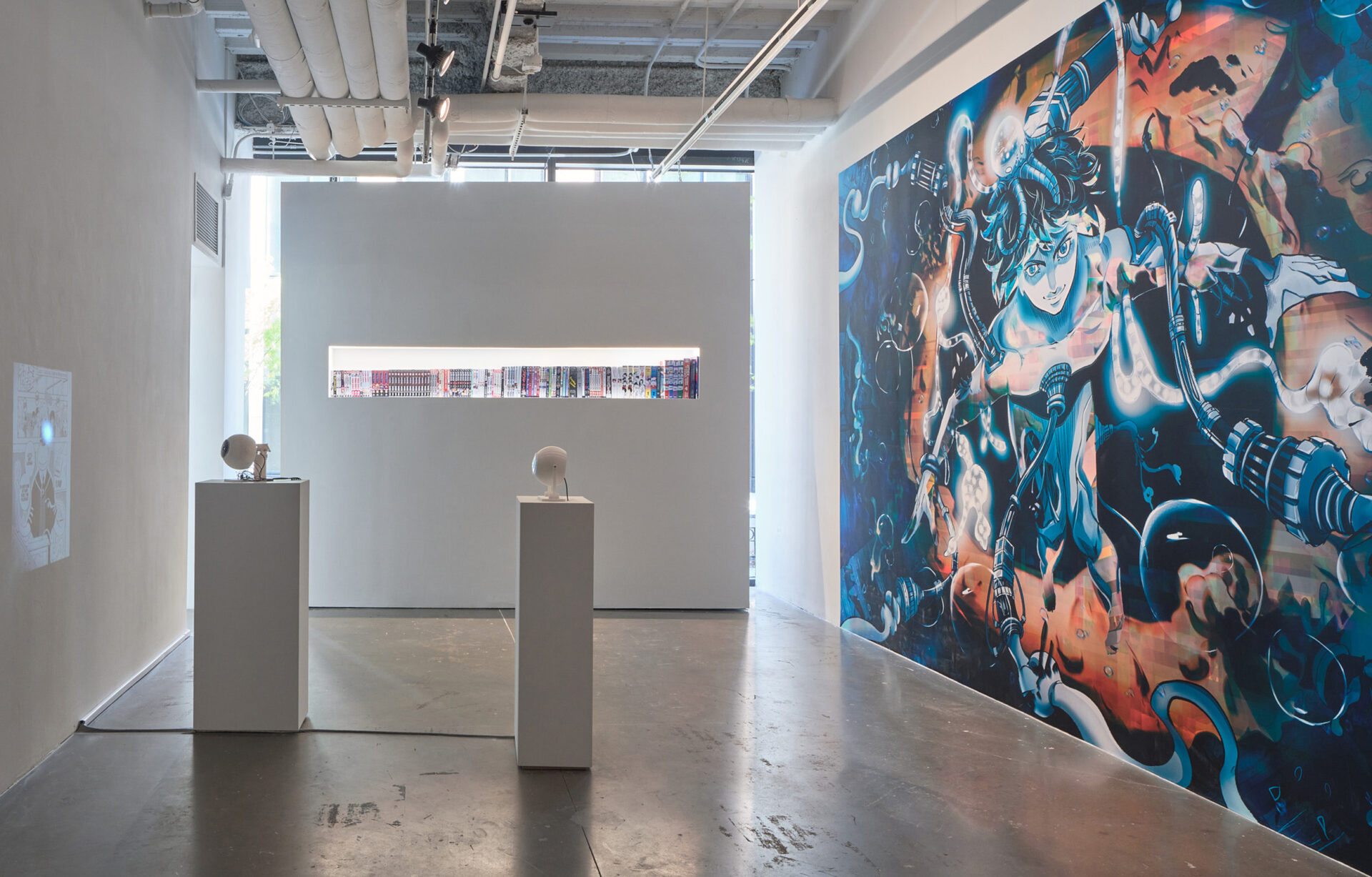
Explicit!!!. 2025, Site-specific installation, manga, 3D printed kinetic sculpture, digital drawing, instruction, Variable
Sue Jeong Ka
Pennsylvania, USA
Social Practice
Artist in Residence, 2026
Chamberlain Award, 2026
↗ https://suejeongka.com/
Artist Statement
While at Headlands, I will work on Mapping Carceral Censorship: The State of California, a social sculpture that examines how prison censorship determines which knowledge circulates and what remains excluded from public understanding. As a new phase of my long-term database project, Coding Carceral Censorship, this work has been developed in collaboration with the San Francisco Public Library since 2023. Drawing from the library’s historical redlining maps—where neighborhoods such as the Western Addition and Chinatown were marked “hazardous,” leading to decades of disinvestment—I approach carceral censorship in California as a continuation of intellectual redlining. Using records of prison-banned publications as primary material, the project weaves together archival investigation and material production. Patterns within the banned-book data expose how authors are disproportionately excluded along racial and gendered lines. During the residency, I will focus on sculptural production in preparation for a public presentation at the Main Library of the San Francisco Public Library in 2027, further examining how library infrastructures and carceral boundaries shape California’s cultural landscape.
While At Headlands
My practice examines how carceral systems shape the circulation of knowledge and the conditions of visibility. Since 2018, I have investigated prison censorship and the ways institutional policies determine which narratives are permitted to circulate. This inquiry extends to how Asian women and Asian women-identifying bodies are censored within carceral systems and subjected to broader forms of social policing, where the body itself becomes a site of regulation and control. Working with redacted files, prohibited materials, informal archives, and state records, I trace how racialized and gendered exclusions are embedded within administrative structures that appear neutral. I develop research-based and data-driven projects that translate institutional records into material and spatial forms, addressing invisibility as a structural condition. Through this process, I examine how public and bureaucratic infrastructures organize access to knowledge and reproduce hierarchies of legitimacy and belonging.